
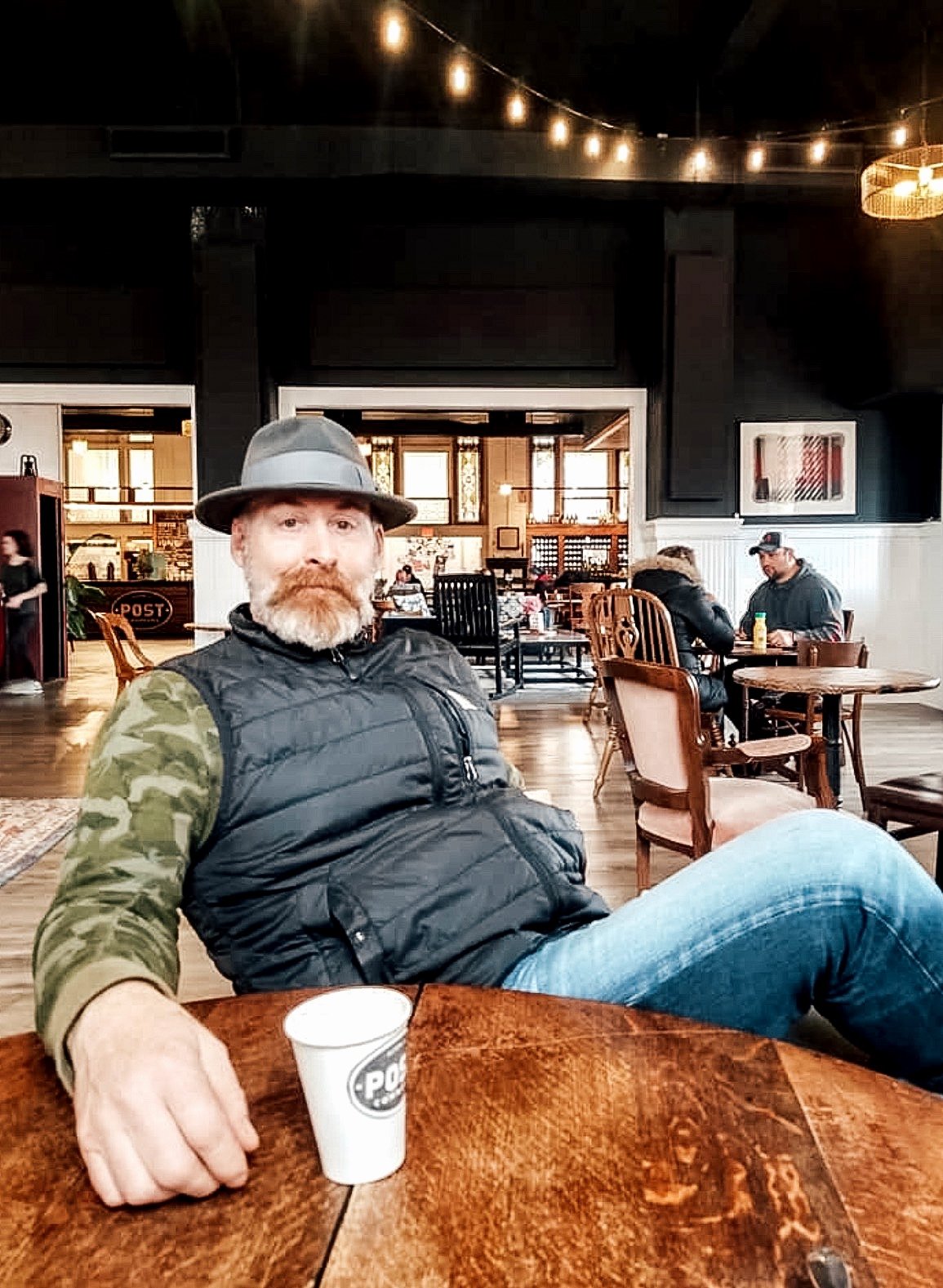
Hugh Halter
Author | Speaker | Consultant | Founder
of Post Commons and Lantern Network
“If you want a safe faith, you will never really know God because he doesn’t hang out in the shallow end much.”

About Hugh
HUGH HALTER and Cheryl, as well as their children and truckload of grandchildren, all live in Alton Illinois. They have been missionaries in North America for more than thirty years. They’ve planted two churches and in 2016 founded Lantern Network in Alton, Illinois.
Lantern Network is a kingdom ecosystem committed to incubating good works and benevolent businesses to bless the city. Hugh speaks extensively across the globe, encouraging innovative forms of church, and when home loves to help Cheryl run Rí Beag Refuge, an eighty-acre equine therapy farm.
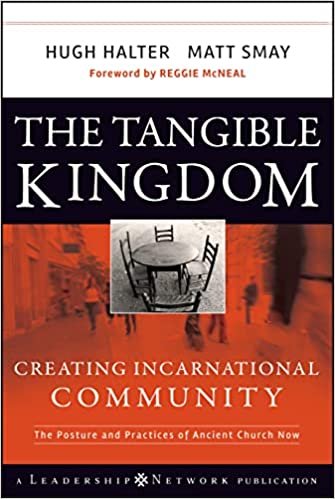
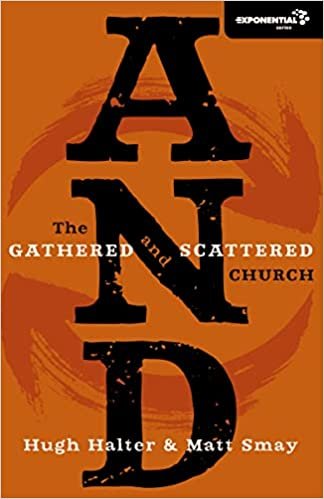
Hugh is a leading missional voice, authoring such books as The Tangible Kingdom, AND: The Gathered and Scattered Church, Flesh, and, most recently, the Life as Mission Series, which seeks to equip Christians to live the missionary life of Jesus in their everyday context.
His mission is to encourage the church to be less churchy and instead work on creating social, personal, & spiritual ventures that serve our cities in ways that make God smile.

Initiatives
In the 6th century, St Benedict, founded the Trappist movement which obliterated the sacred-secular divide by calling his disciples to this slogan, “Ora et Labora,” which means our work is our prayer and our prayer is our work. The enterprisal focus of these mission communities created such massive wealth that many attribute the spread of the gospel to these small business for mission communities.
Post Commons
In 2018, Hugh founded Lantern Network and opened Post Commons with the purpose to “incubate good works.” This community hub has become the living room of Alton and now serves as the innovation/enterprise/mission hub for those who serve in Lantern Network.
Brave Cities
The Brave Cities network supports church planters who want to plant kingdom ecosystems instead of just church services. Brave Cities book will come out in the fall of 2023. Those working to see the gospel in integrated forms of business development, justice works and neighborhood transformation can find coaching, collaboration and practitioner community.
Movement Leaders
The Movement Leaders Collective provides a catalyst for movement leadership and a community for movement leaders across gender, geography, race & ethnicity. The mission of MLC is to identify, train, and empower 100 Jesus-movements & 1,000 Christlike leaders using the mDNA framework to become dynamic, innovative and generative movements able to shift the tracks of history
Books
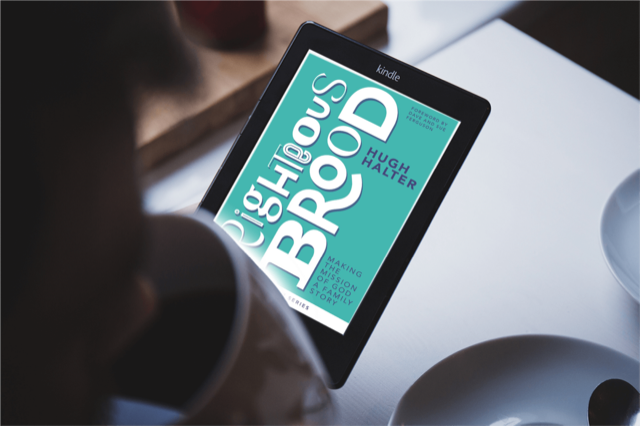
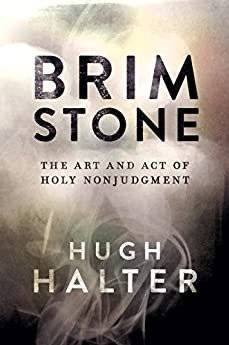
Hugh Halter has been a leading voice in the missional church movement for the last two decades. Click the button below to view a full list of Hugh’s books or click on an individual book to learn more about purchasing options.

Hugh’s most recent books are part of the Life as Mission Series, which includes Righteous Brood and Happy Hour.
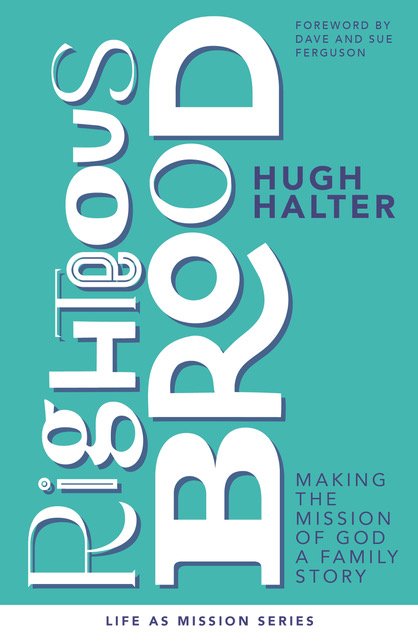
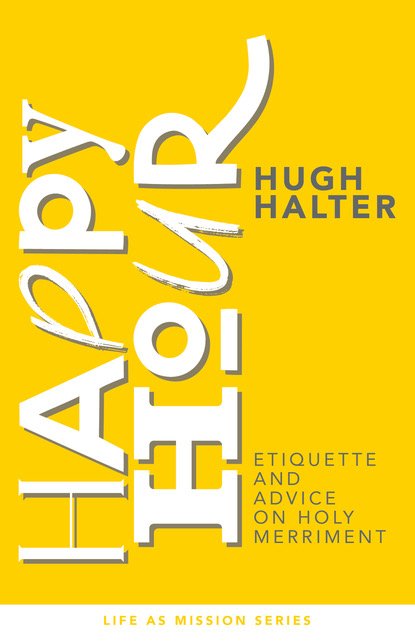
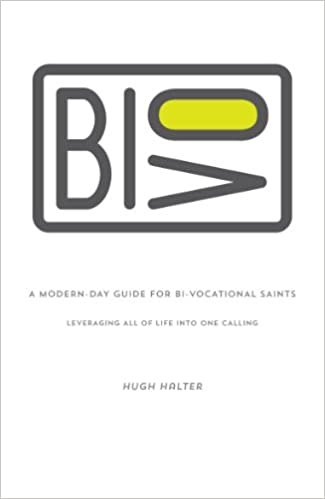
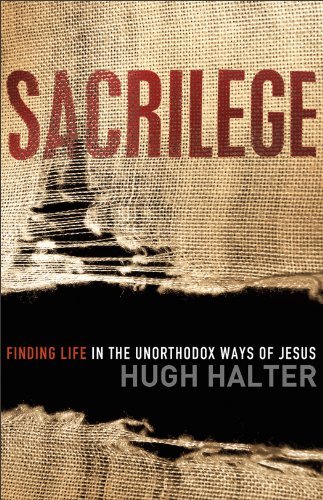
Other titles available by Hugh Halter


speaking engagements
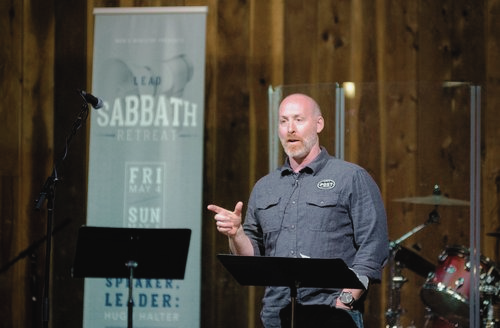
Hugh speaks extensively both nationally and internationally. He is willing to consider any request, but prioritizes opportunities for those who want to create a movement of business, social impact, or untraditional church ventures. Please use the form below for booking inquiries.